
Patent and IP Translation: Filing, Prosecution and Litigation
A patent translation is a legal instrument. What the translated claims say is what the patent covers in that country, and a slip in a single word can narrow protection or open the door to an invalidity attack.
These articles cover how patent translations are prepared and checked: claim language and its traps, filing and validation deadlines, machine translation in the patent system, prior art searches in other languages, and what examiners and courts notice when a translation goes wrong.
They are written for patent attorneys and paralegals, in-house IP teams and the engineers who answer translator queries. Most posts include a checklist or a worked example you can reuse on your next filing, whatever the language pair.
A good starting point is the deadline that applies to you: national phase entry, validation after grant, or a translation ordered for litigation. Each sets a different budget for review, and each article notes which checks matter most when time is short.
97 articles

Late Translations Can Sink Your Invalidity Attack: Spain’s Supreme Court Patent Ruling
Prior art you cannot read in Spanish on day one may not exist for the Spanish court at all.

EPO Patent Translate vs. Human Patent Translators: Where Machine Output Falls Short
A tool built for reading prior art is not a tool for writing claims. Here is where the line falls.

Can You Use Machine Translation for Unitary Patents? What EU Law Actually Says
The unitary patent rules both rely on machine translation and forbid it, depending on which translation you mean.
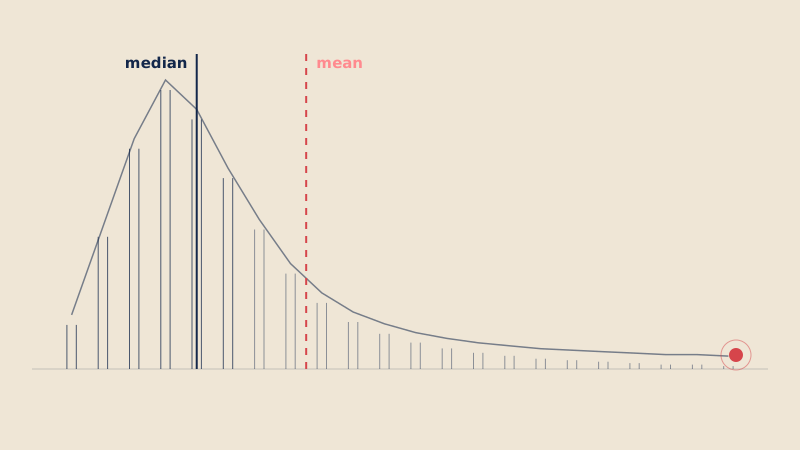
“Average” vs. “Median”: The Translation Error That Survives Proofreading
Swap one statistic for another and the sentence still reads well. The claim may not.

Singular or Plural? How a Dutch Claim Translation Narrowed a Patent’s Scope of Protection
Drop an “s” in a validation translation and the patent you enforce may be smaller than the one you were granted.

“And” vs. “Or”: How a Two-Letter Translation Error Put a European Patent at Risk
One conjunction turned two required properties into a choice, and the patent ended up in court.

Is It Safe to Paste an Invention Disclosure into a Free AI Translator?
The translation takes seconds. Losing control of an unfiled invention can last much longer.

How Korea’s IP Ministry Upgrade Signals a Bigger Global Shift in Patent Enforcement
A bigger office with investigators attached changes who reads your Korean claims, and how closely.

230,000 Applications a Year: Why KIPO’s Examiners Have Zero Tolerance for Translation Ambiguity
An examiner with a full docket does not resolve ambiguity in your favour. They write it into an office action.

KIPO Is Now the Ministry of Intellectual Property — What Changes for Foreign Applicants in 2026
New name, new certificates, a longer response period. What to update in your templates and docket, and what has not changed.

Trust and Distrust: What Patent Professionals Really Think About GenAI Translation in 2026
Most IP teams now use AI translation. Far fewer are happy with it. The surveys show both at once.

The “Good Enough” Trap: How ChatGPT-Level Translation Fails KIPO Examiners
Fluency is what LLMs are best at. Claim precision is what Korean examiners check. They are not the same thing.

AI Translation Errors That Have Cost Companies Their Patent Rights
The courts have not yet named a chatbot. They have already shown exactly how a bad translation costs a patent.

Post-Editing vs. Human Translation: Why Patent Attorneys Are Getting This Wrong
The debate is framed as machine versus human. The real question is which document, which step, and who is accountable.

WIPO’s AI Translation Tool Now Covers 18 Languages — What Patent Translation Still Requires Beyond the Algorithm
A patent-trained engine reads like a patent. That is not the same as being accountable for one.

The Hidden Cost of Machine-Translated Patents: Rejected Claims and Lost Priority Dates
The invoice for a translation arrives once. Its costs arrive over years, and some of them are deadlines.

Will AI Replace Patent Translators? What the 2026 Industry Data Actually Shows
The job is not one task. Some parts automate well, and the parts that decide claim scope do not.

Korean Patent Office Automation Is Accelerating — Is Your Translation Workflow Keeping Up?
When a machine reads your file first, inconsistent terms stop being a style issue.

Why Raw Machine Translation Is Losing Patent Claims Before They’re Even Filed
The sentences read fine. The claim structure underneath them is broken.

10 Things to Check Before Choosing a Patent Translation Provider
Ten questions that separate a patent translation provider from a translation agency that also does patents.

Why Literal Translation Can Be Dangerous in Patent Documents
Word-for-word into Korean keeps the words and can lose the claim.

How CAT Tools Improve Patent Translation Quality
CAT tools do not translate patents. They make the translator's decisions consistent and checkable.

Patent Translation vs. Technical Translation: What’s the Difference?
Same engineers, same vocabulary, different job: a manual must be understood, a claim must be construed.

Why Quality Assurance (QA) Is Essential in Patent Translation
Not all translation errors are equal. A QA process for patents starts by deciding which ones can cost rights.

Common Translation Risks in PCT Patent Applications Applicants Overlook Before the 30-Month Deadline
The deadline gets all the attention. The content of the translation is what the Korean patent is built on.

Top 10 Patent Translation Mistakes When Translating English into Korean
Most of these come from features English has and Korean does not, and the reverse.

Why “Comprising” Should Never Be Translated Carelessly
One word after the preamble decides whether a product with an extra part still infringes.

The Risks of Incorrect Figure Reference Translation in Patent Documents
A numeral that points to the wrong part is a small typo with a long reach. Here is how to keep drawings and text aligned.

How a Single Number Can Change the Meaning of a Patent
Numbers look language-neutral. In a claim, the words around them decide what is covered.

Why AI and Machine Translation Are Risky for Patent Documents
Banning machine translation does not work, and allowing it everywhere is worse. Write a policy instead.

How Incorrect IP Terminology Can Jeopardize Patent Rights
Patent law has its own vocabulary in every language. Use the everyday word instead and the sentence still reads, but it no longer says the legal thing.

When “Similar” Isn’t Safe: The Hidden Risks of Patent Translation
Two words that mean nearly the same thing in a dictionary can mean two different claim scopes in a patent.

Why Claim Translation Is the Most Critical Part of a Patent
The claims are the shortest part of a patent and the only part that defines what you own. In Korean, they are also rebuilt from the end.

Patent Translation Mistakes That Can Lead to Patent Rejection
Some office actions are about the invention. Some are about the translation. It pays to know which is which.

How One Incorrect Word in a Patent Translation Can Cost Millions
During prosecution, a bad word costs a response. After grant, it costs an argument you may not win.

Is Your Intellectual Property Translation Ready for Global Protection?
Five offices, five clocks, four target languages. An audit you can run on a PCT family before month 24.

Is Your Intellectual Property Translation Putting Your Business at Risk?
Patents get reviewed twice. The licence that pays for them often gets translated once, in a hurry.

Is Your Patent Translation Ready for Global Filing When the 30-Month Clock Runs Out?
Start from the deadline, subtract the review, and you find out you should have started last month.

Don’t Let Patent Translation Become the Weakest Link in Your IP Strategy This Year
Translation is often the largest foreign filing cost nobody plans. Budget it by family value, not by word price.

What Patent Examiners Notice in Poorly Translated Patent Documents — The View from the Other Side of the Desk
Examiners read the translation as the application. Here is what makes them stop and reach for the original.

The Real Cost of Choosing the Cheapest Patent Translation Service — A Ledger Nobody Shows You
The invoice is one line. The ledger has seven. Put your own numbers in and see which quote is cheaper.

Could Your Patent Translation Be Weakening Your Patent Without Ever Breaking It?
The translation reads well and nobody objects. It just covers less than the patent you paid for.

Is Your Patent Translation Putting Your IP at Risk? A Self-Audit Every Filing Team Needs
Twelve questions, three answers each, and a score that tells you which part of your translation process to fix first.

Myth vs. Reality: Four Assumptions That Sink Patent Filings
Four things filing teams say about translation, and what the rules actually do with them.

The Hidden Risks of Poor Patent Translation Nobody Warns You About
The first translation was fine. The amendment, the divisional and the continuation were each translated by someone else.

One Patent Translation Mistake Could Cost You Patent Protection
Follow a single mistranslated word through six years of prosecution and into an opposition.

When Patent Translation Mistakes Trigger Million Dollar Intellectual Property Disputes
In a dispute, a translation is not background reading. It is evidence, and the other side will test it.

How Precision Language Solutions Help Protect High Value Patents in the Age of Global Innovation
Spend review effort where a patent will be enforced, licensed or challenged, and nowhere near as much where it won't.

The Silent IP Risk Facing Companies Expanding Into Asia Europe and the Middle East
Six offices, six translation rules: a side-by-side table and the planning mistakes it prevents.

Patent Filing Delays Are Surging as Complex Engineering Content Gets Lost in Translation
Translators rarely cause the delay. Unanswered queries and unapproved terms do.

What Recent Global Brand Failures Reveal About the True Value of Professional Language Solutions
Half the famous translation blunders never happened. The documented ones teach more.

Why Deep Tech Startups Are Rethinking Intellectual Property Adaptation Before Global Expansion
Translation is often the biggest foreign filing cost a startup controls. Spend it in the right order.

Cross Border Patent Protection Is Breaking Down Due to Technical Translation Gaps
A good patent translator for batteries is not automatically a good one for antibodies.

How Multinational Companies Are Losing Competitive Advantage Through Poor Patent Language Management
The same component, three Korean names, five families. That is a portfolio problem, not a translation one.

AI Innovation Is Moving Fast but Inaccurate IP Localization Is Putting Patent Rights at Risk
In AI patents, everyday words are technical terms, and Korean forces choices English leaves open.

The Hidden Translation Errors Behind Costly Patent Rejections in International Markets
Examiners don't cite 'bad translation'. They cite added matter, indefiniteness and lack of support.

Why Global Patent Filings Fail When Technical Documents Lose Meaning Across Languages
Claims get the attention. The description is where translated patents quietly lose support.

How Enterprise Legal Teams Can Prevent Translation Driven Patent Loss Before It Turns Into Litigation
Most translation risk can be managed in the contract and the instruction sheet, long before anyone litigates.

Cross Border AI Patent Races Are Heating Up and Language Mistakes Can Kill Protection Early
A priority date only helps if the later filings disclose the same invention. Translation is where that link breaks.

Why Fast Expanding Innovation Markets Are Exposing Weaknesses in Corporate Patent Localization
India, Brazil, Indonesia and Vietnam each set their own language rules. A process built for Europe and the US does not fit them.

The Costly Disconnect Between Inventors and Linguists in High Value IP Portfolios
A translator's question to the inventor is cheap. The guess made when nobody answers can be very expensive.

What Multinational R and D Leaders Need to Fix Before a Patent Filing Fails Abroad
Most translation problems start in the source. Ten drafting habits that make a specification travel well.

From Semiconductor Boom to Legal Exposure Why International Patent Wording Now Demands Zero Guesswork
Deposit, form or grow? On, over or above? In semiconductor claims, the translator's word choice is a scope decision.

PCT Growth Is Back and Sloppy Foreign Language Filing Strategy Is Now a Bigger Business Threat
PCT filings grew again in 2025, but the real story is which languages the system now runs in.

Europe’s New Patent Fight Is Raising the Stakes for Precision in Multilingual IP Documents
At the UPC, language of proceedings is a tactical choice, and the translations it triggers are evidence.

How Global Tech Teams Are Losing Filing Strength When Engineering Terms Do Not Travel Well
Your engineers' nicknames for parts are clear to them. To a translator, they are guesses waiting to happen.

AI Innovation Is Moving Fast and Multilingual Patent Errors Are Getting More Expensive
The same wrong word costs minutes before filing and months in an opposition.

The Hidden Language Gaps That Are Derailing Cross Border Invention Protection in 2026
The words in the description get translated. The words in the figures, tables and listings often don't.

Why One Wrong Word in a Global IP Filing Can Put Your Overseas Rights at Risk
Korean has no articles. English claims depend on them. The translator has to decide every 'a' and 'the'.

The Growth Trap: Why Cross Border Ecommerce Is Booming but Poor Product Translation Is Silently Destroying Your Global Conversion Rates
A translated product page answers the questions English shoppers ask. Korean shoppers ask different ones.

The Illusion of Efficiency: Why ChatGPT Generated Marketing Content Is Backfiring Overseas
AI copy in Korean is rarely wrong. It is generic, and Korean readers can tell.

IP Translation That Protects Your Global Patent Strategy in 2026: Navigating the High Stakes of the Korean Market
On the Paris route with an English filing, you may have two months to produce the Korean. Plan for it.

Regulatory Minefields: Translation Compliance Failures Are Becoming the Next Big Corporate Threat in 2026
Some Korean-language requirements are written into statute. Others are assumptions. Know which is which.

Enterprise Localization Strategies: Using GPT-5.2 Based AI Translation for Shopify-Level Speed
An LLM can translate ten thousand product pages overnight. Guardrails decide whether you can publish them in the morning.

Navigate with Confidence: Korean Legal & Regulatory Considerations in Marketing Translation for Corporate Campaigns
Which Korean rules touch which line of a translated campaign, and what the translator, the brand and counsel each need to check.

Authenticity is Everything: Boost Your Brand’s Credibility in Korea Through Accurate Marketing Translation
Korean buyers check who stands behind a page before they believe what it says. Translation can add those signals or erase them.

Navigating KIPO Requirements: Korean Patent Translation Essentials
Not the deadline, but the rest: which parts to translate, claim format rules, replacement translations and correction of mistranslation.

Master the Art of Translating Patent Claims from English to Korean Without Losing Precision
Korean puts every modifier before its noun. A trailing ‘wherein’ clause has to land somewhere, and where it lands is the claim.

Korean Patent Translation: Legal Nuances You Shouldn’t Miss
Six provisions of the Korean Patent Act explain most of the rules a Korean patent translator works by.

Patent Filing in Korea: Translation Challenges & Best Practices for Global Innovators
Six stages from first filing to examination, and who has to hand what to whom at each one.

Smart Strategies for Avoiding Rejections: Translation Tips for Korean Patent Filings
Many Korean office actions on foreign filings start in the translation. Here is how to see them coming.

The Crucial Role of Expert Korean Translators in Patent Applications
A Korean patent translation is a team job. Here is who belongs on the team and what each person should be able to prove.

A Guide on How to Ensure Translation Accuracy When Filing Patents in Korea
Four checks that prove a Korean patent translation matches its source, and what Korean law lets you fix if one fails.

Avoiding the Top Pitfalls in Patent Translation for Korean Applications
Claims get the attention. The abstract, the sequence listing and the formulas get whatever time is left, and that is where errors hide.

Maximizing Intellectual Property Value: Why Accurate Korean Translation Matters in Patent Filing
Licensees, buyers and accused infringers all read the Korean claims, not your English ones. That is where the value is set.

Protect Your Innovations: A Strategic Guide on How to Translate Patents into Korean
From the deadline backwards: how to plan, translate, check and deliver a Korean patent translation, and why the final Korean text limits later amendments.

Expert Translation Services for Streamlining Korean Patent Filing
Most Korean translation delays are scheduling problems that start long before the translator gets the file.

Safeguarding Intellectual Property in Korean Translation Services
An unpublished patent application is a trade secret with a deadline. Treat the translator as part of the security perimeter.

Optimize Your Global Reach with Expert Korean Translation for us trademark and patent office search
A Korean reference in a US IDS needs a concise explanation, and sometimes a translation you already hold. Here is how to decide.

Unlocking Global Success with Korean Translation Services for the European Patent Office
The EPO rarely asks for a translation of a Korean priority document. When it does, the priority right depends on it.

Streamlining Provisional Patent Filing with Expert Korean Translation Services
A US provisional can be filed in Korean. The translation comes later, and it decides what the benefit claim is worth.

The Power of Precision: Why Accurate Translation Fuels Global Brand Growth
A brand name written three ways in Korean is three brands to a Korean customer. Decide once, write it down, enforce it.

Breaking Barriers: Korean Patent Translation for Global Innovators
A foreign SME filing in Korea needs four things in place: a local attorney, a route, a translation plan and an examination date.

Unlocking Global Innovation: Your Guide to Korean Patent Translation
Short answers to the questions engineers, managers and new paralegals ask before their first Korean patent translation.

How Translation Services Empower Global Businesses in 2025
Your legal team and your marketing team should not be buying the same translation service. Here is what each function needs.

Why Korean Translation Services Are Essential for Your Business in 2025
Most companies do not decide to translate into Korean. Something happens that makes the decision for them.

Your Guide to Expert Korean Patent Translation for Global Success
Half of a good patent translation is decided before the translator opens the file.
How to use these articles
Articles are listed newest first. Each one takes a single practical question, works through it with examples or a checklist, and lists the official sources behind any legal or procedural statement at the end of the page. Related posts in other topics are linked from inside each article, so you can follow a subject across patent, legal, technical and marketing work.
Working on a project in this area? See our translation and localization services or contact the team.