

reutersinstitute.politics.ox.ac.uk
How will AI reshape the news in 2026? Forecasts by 17 experts from around the world | Reuters Institute for the Study of Journalism
How Real Time AI Translation Is Reshaping Global News and Why Human Post Editing Still Saves Corporate Reputation
Real time AI translation is fundamentally altering the flow of information in global news landscapes during 2026, delivering instantaneous multilingual coverage that reaches audiences faster than ever before. From live international summits to breaking regional crises, news organizations now leverage these systems to bridge language divides in seconds, expanding reach and fostering a more connected world. Yet alongside this remarkable capability comes a critical reminder: without thoughtful human post editing, even the most advanced tools can introduce subtle distortions that undermine credibility and expose organizations to lasting reputational harm.
In early 2026, broadcasters like Sinclair implemented live AI-powered translation directly into newscasts, allowing Spanish-speaking viewers to follow English-language reporting in real time with minimal delay. Similarly, AI-Media showcased its LEXI suite at ISE 2026, demonstrating broadcast-grade voice translation, subtitling, and audio description tailored for professional AV environments. These advancements mean that a press conference in Tokyo can be understood simultaneously in São Paulo or Berlin, democratizing access to events that once required dedicated interpreters or delayed subtitles.
The speed advantage is undeniable. Real time AI translation enables newsrooms to produce multilingual versions of stories almost as quickly as the original reporting unfolds. Tools integrated into platforms like Meta’s wearable devices and T-Mobile’s network-level services handle over 50 languages with near-instant voice conversion, supporting journalists in the field who need to communicate across borders during fast-moving events. Global audiences benefit too: a 2026 EBU study highlighted how AI assistants now help viewers navigate content, though with noted risks of distortion in 45 percent of cases when left unchecked.
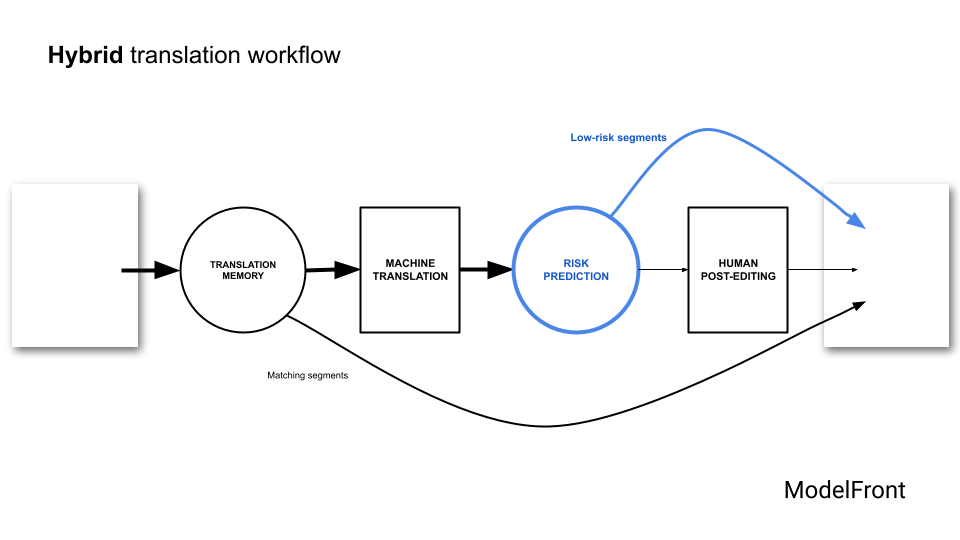
Hybrid translation | Machine Translate
This transformation extends beyond traditional broadcasting. Online news portals and apps now embed real time AI translation for articles, videos, and live streams, allowing readers to switch languages seamlessly. During major events such as climate summits or geopolitical developments, platforms deliver translated captions and summaries that keep international viewers engaged without waiting for human teams. The result is heightened immediacy—information no longer lingers in one linguistic silo but spreads across regions within moments.
Yet the very fluency that makes real time AI translation so compelling can mask deeper issues. Systems excel at literal conversion but often flatten cultural references, miss ironic undertones, or overlook context-specific sensitivities critical in journalism. A phrase carrying political weight in one language might emerge neutral or even misleading in another, subtly shifting public perception. News organizations relying solely on unedited output risk amplifying inaccuracies, especially in coverage involving conflict, health crises, or cultural stories where nuance determines understanding.
Corporate communicators face parallel challenges when issuing global statements, earnings reports, or crisis responses. Here, real time AI translation offers efficiency for initial drafts and audience previews, but skipping human post editing can prove costly. Recent examples from 2026 show how machine-generated press materials in sensitive markets introduced tonal shifts that appeared dismissive or culturally insensitive, triggering backlash on social platforms and requiring expensive corrections. Human post editing catches these before publication, preserving intent, brand voice, and trust.
To illustrate the balance, consider this comparison of approaches in news and corporate contexts:
| Aspect | Real Time AI Translation Alone | With Human Post Editing |
|---|---|---|
| Speed of Delivery | Near-instant (seconds) | Slightly delayed but still rapid (minutes) |
| Accuracy in Neutral Content | High (94%+ in common pairs) | Near-perfect |
| Handling of Nuance & Culture | Often limited, risks flattening | Fully preserved and adapted |
| Risk to Reputation | Elevated in sensitive topics | Significantly reduced |
| Suitability for News | Ideal for breaking alerts | Essential for in-depth or crisis reporting |
| Corporate Application | Useful for internal drafts | Required for external releases |
The table underscores why hybrid workflows dominate successful implementations. Real time AI translation handles volume and velocity, while human post editing ensures quality where it matters most—credibility and resonance.
From my perspective, the dual nature of these technologies evokes both optimism and caution. Witnessing how real time AI translation connects distant communities during major global events fills me with genuine hope for a more informed world. At the same time, stories of subtle misrepresentations in translated coverage remind me how fragile public trust can be. I have followed these developments closely and believe that organizations embracing human post editing demonstrate genuine respect for their audiences, turning potential vulnerabilities into strengths that differentiate them in crowded information spaces.
Beyond individual cases, broader trends reinforce the value of this balanced approach. Industry analyses indicate that properly post-edited content achieves higher engagement and lower correction rates, directly supporting reputation management. In corporate settings, where a single mistranslated earnings call or safety announcement can trigger regulatory scrutiny or investor doubt, human oversight acts as essential insurance. Newsrooms similarly report that layered processes—machine speed followed by expert review—maintain editorial integrity while scaling output.
Practical strategies for leveraging these tools responsibly include:
- Implementing automated quality scoring to flag segments needing immediate human attention
- Maintaining centralized terminology databases updated in real time across teams
- Conducting regular audits of translated news archives to identify recurring patterns
- Training editorial staff on effective collaboration with AI outputs
- Establishing clear guidelines for when full human review is mandatory, such as legal, medical, or crisis-related material
These steps allow organizations to harness the transformative power of real time AI translation without compromising standards.

Translation Errors: What They Cost You and How to Avoid Them
Ultimately, the reshaping of global news through real time AI translation marks a significant step toward inclusive information access. Yet the enduring role of human post editing in safeguarding corporate reputation highlights a timeless truth: technology accelerates delivery, but human judgment protects meaning. By integrating both thoughtfully, media and corporate leaders can navigate 2026’s fast-evolving landscape with confidence, delivering content that informs accurately and connects authentically across every language and culture.
References:
- GlobeNewswire (January 29, 2026). AI-Media to Showcase Real-Time Translation and Accessibility Workflows at ISE 2026
- RWS Group (February 10, 2026). What is AI translation in 2026?
- Reuters Institute for the Study of Journalism (January 5, 2026). How will AI reshape the news in 2026?
- Forbes Business Council (February 26, 2026). AI Vs. Human Language Skills: Striking The Right Balance
- Slator (February 2026). ModelFront Announces General Availability of Automatic Post-Editing
- Convey911 (February 16, 2026). The Essential Guide to Translation Speed in 2026