

Cultural missteps in translation continue to quietly erode international revenue for even the most powerful global brands in 2026. What begins as a seemingly minor phrasing choice or overlooked nuance in subtitles or product descriptions can cascade into reduced viewer engagement, lower app downloads, and millions in forgone sales across key markets. As streaming and tech giants push deeper into non-English regions, the stakes have never been higher, with consumers demanding experiences that feel authentically local rather than awkwardly adapted.
Netflix, a leader in global content delivery, offers one of the clearest windows into these challenges. In early 2026, discussions around subtitling for Arabic-speaking audiences intensified following the release of regional series, including continuations inspired by shows like AlRawabi School for Girls. Viewers noted instances where Jordanian cultural expressions—tied to social hierarchies, family dynamics, or sensitive societal topics—were rendered in ways that diluted emotional depth or introduced unintended formality. One recurring complaint involved the flattening of idiomatic humor and relational terms that carry significant weight in Arab cultures, leading to comments across platforms about lost immersion. The result? Shorter average watch times in MENA markets and higher churn rates among subscribers who expected subtitles to honor the original cultural context rather than simplify it for speed.
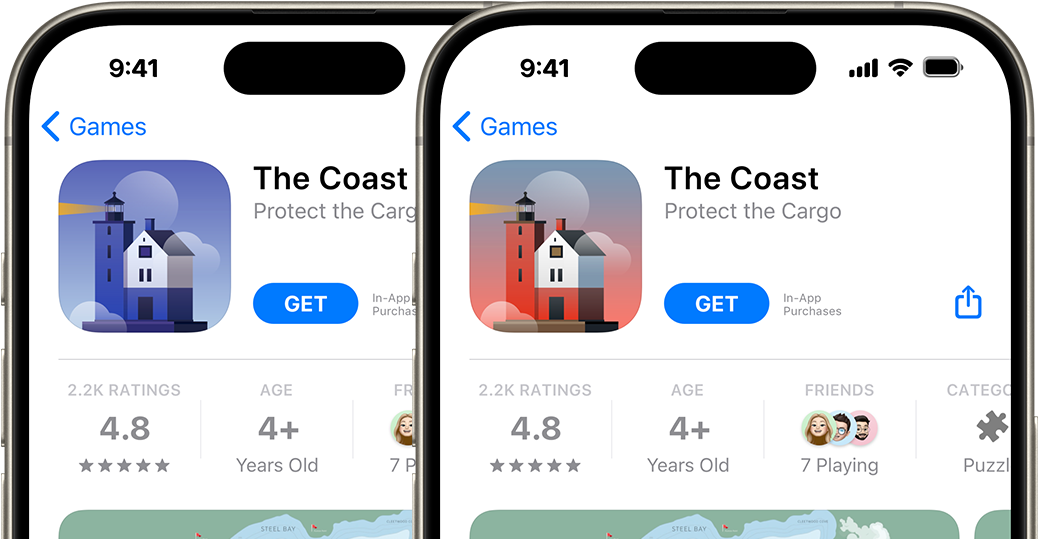
Product Page Optimization – App Store – Apple Developer
These subtitling shortfalls directly translate to revenue pressure. Netflix’s international segments now account for over 70 percent of its subscriber base, with non-English originals driving much of the growth. When cultural missteps in translation cause viewers to disengage, the platform sees measurable drops in completion rates—often by 15 to 25 percent in affected regions—reducing the likelihood of renewals and limiting word-of-mouth promotion that fuels organic acquisition. Industry observers point out that even small inaccuracies in tone or reference can make content feel “off,” prompting audiences to switch to local alternatives that better capture the spirit of the storytelling.
The pattern extends beyond entertainment into consumer technology, where Apple’s meticulously crafted product pages provide another instructive case. In 2026, as new iOS features and hardware rollouts target Asia-Pacific and European markets, several localized App Store descriptions and screenshots have drawn attention for missing subtle cultural alignments. For instance, certain promotional visuals or benefit statements translated literally failed to resonate with local expectations around privacy emphasis in Germany or community-oriented features in South Korea. Users reported that the pages felt generic rather than tailored, contributing to softer conversion rates during peak launch periods. While Apple maintains strong overall performance, analysts estimate that incomplete cultural adaptation in these digital touchpoints can suppress download lifts by up to 20 percent in high-potential territories.
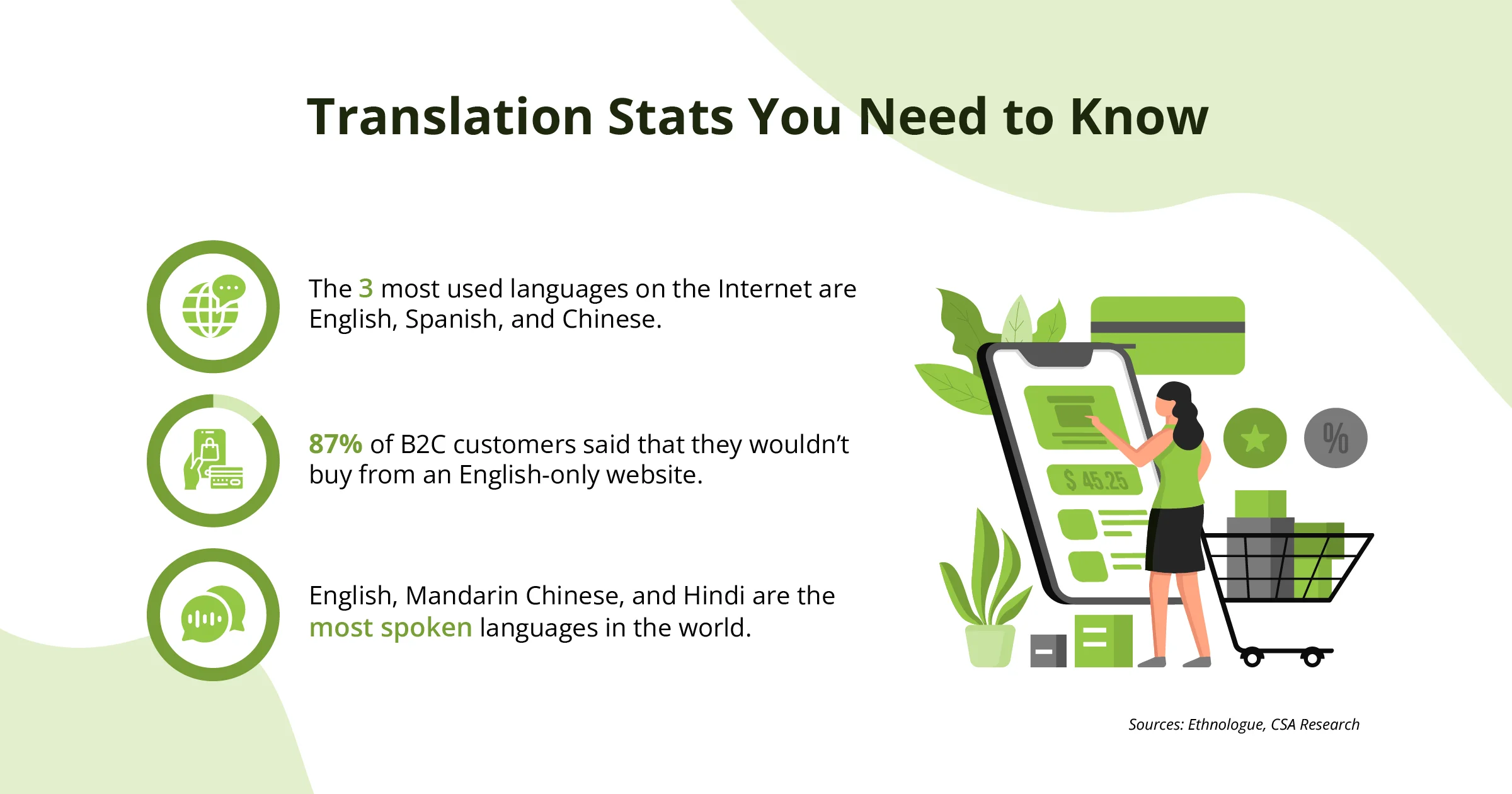
Marketing Translation: Your Key to Global Markets
To better understand the financial ripple effects, consider this overview of how cultural missteps in translation manifest across platforms:
| Scenario | Platform Example | Typical Revenue Impact (2026 est.) | Root Cultural Factor Missed |
|---|---|---|---|
| Subtle idiom or humor loss | Netflix series subtitles | 12-22% drop in session length | Relational terms, sarcasm in context |
| Literal phrasing in benefits | Apple App Store descriptions | 15-25% lower conversion in region | Formality levels, value priorities |
| Visual-text mismatch | Localized product screenshots | 10-18% reduced click-through | Color symbolism, gesture appropriateness |
| Hierarchy or respect nuance | Streaming dialogue adaptation | Increased churn by 8-15% | Social etiquette embedded in language |
| Feature explanation shortfall | Tech feature highlight pages | Delayed adoption in key markets | Local lifestyle integration |
This framework highlights why the damage compounds quickly. A single mismatched subtitle or product page element does not exist in isolation—it influences discovery algorithms, social sharing, and ultimately the bottom line.
From my perspective, these developments carry a particular weight. There is something genuinely disappointing about watching world-class content or innovative products lose their potential reach simply because the bridge of language and culture was not fully secured. At the same time, I remain encouraged by how quickly the industry is responding. Brands that invest in native linguists for transcreation and rigorous pre-launch testing consistently report stronger loyalty and faster growth in international revenue streams. It feels like a reminder that technology accelerates possibilities, but human insight preserves the connections that turn viewers and users into long-term advocates.
Beyond individual cases, broader data reinforces the urgency. Surveys indicate that 87 percent of consumers are less likely to purchase when content is available only in English, while properly localized experiences can boost revenue by 25 percent or more in target markets. For streaming services, incomplete cultural adaptation correlates with noticeably lower retention in diverse language groups. In app ecosystems, pages that fail to reflect local preferences see diminished visibility in search results and weaker performance metrics. These figures are not abstract—they represent real opportunities lost when cultural missteps in translation go unaddressed.
Successful organizations address the issue through layered processes. They begin with internationalization that prepares content for seamless adaptation, followed by collaborative reviews involving native speakers familiar with both the product and the target audience. Automated tools handle initial drafts efficiently, yet final validation always incorporates human judgment to catch nuances around humor, respect, and everyday relevance. Continuous monitoring after launch allows rapid adjustments, turning potential setbacks into refined experiences that strengthen market position.
As global audiences grow more discerning, the competitive edge increasingly belongs to those who treat localization as an integral part of strategy rather than a final checkbox. Whether through refined subtitles that preserve the heart of a story or product pages that speak directly to local aspirations, thoughtful handling of cultural elements builds the trust essential for sustained international revenue.
References:
- Nature (October 2025). Subtitling Jordanian cultural expressions into English on Netflix: A Case Study of AlRawabi School for Girls Season 2
- AppTweak (February 2025, updated 2026). Complete guide to app store localization
- Centus (2026). 2025 Localization and Translation Stats and Trends
- Taia (November 2025). Top 5 Localization Trends in 2026: The Future of Global Communication
- ArtlangsTV (recent 2026). Subtitling Translation That Doesn’t Feel Like Translation