
11 Common Mistakes to Avoid When Designing Your Brand Identity – Zeka Design
Inconsistent brand voice across languages quietly drains revenue in 2026 by creating subtle disconnects that customers feel but rarely articulate until they have already switched to a competitor. A brand that sounds empowering and approachable in English can suddenly feel condescending or overly casual in another market, leaving audiences confused about what the company truly stands for. This fragmentation erodes trust at scale, lowers lifetime value, and hands market share to rivals who maintain a coherent identity no matter the language.
One prominent productivity platform discovered this reality in early 2026 when expanding into Southeast Asia and Latin America. Their signature motivational tone—direct yet encouraging—translated in ways that felt pushy in Thai and overly informal in Brazilian Portuguese. Customer support chats that were meant to build rapport instead triggered higher escalation rates, while email campaigns saw open rates drop by nearly 25 percent in affected regions. The silent revenue killer had struck: inconsistent brand voice across languages that made the same company feel like two different entities depending on where customers lived.
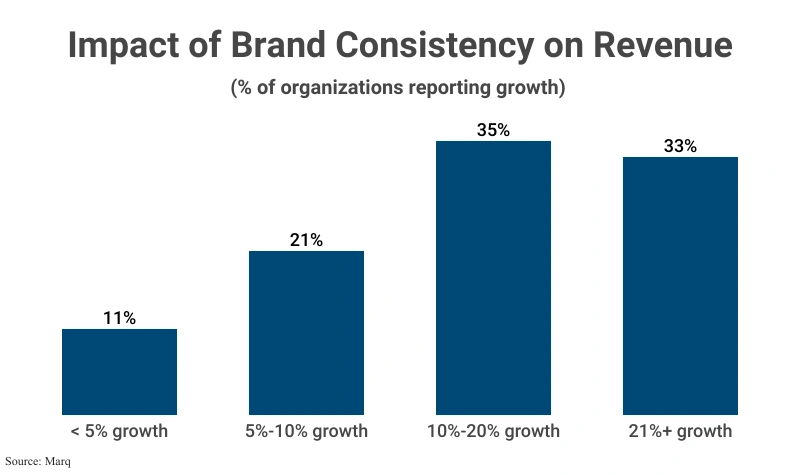
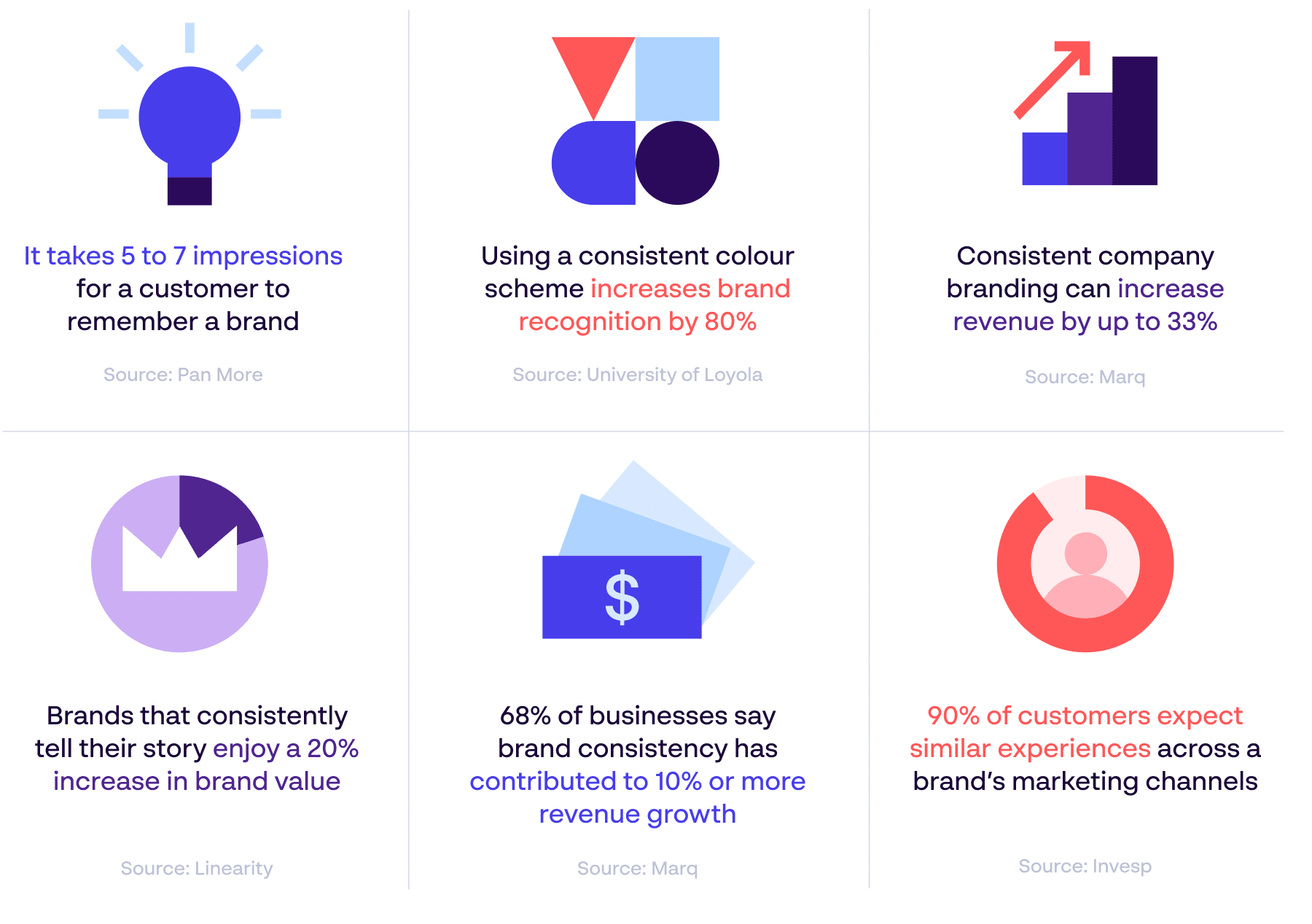
The financial consequences compound rapidly. Organizations achieving consistent brand presentation across languages and channels report revenue lifts of 23 to 33 percent, with 68 percent of companies noting 10 to 20 percent growth directly attributable to voice alignment initiatives. In contrast, brands allowing drift face elevated media spend to compensate for weaker recall, higher churn as customers seek more relatable alternatives, and slower expansion cycles as trust must be rebuilt market by market.
51 Impactful Branding Statistics (New 2026 Data)
Strategic localization directly counters this silent revenue killer by treating brand voice as a non-negotiable core asset rather than something that emerges after translation. Instead of sending finished English assets downstream for literal conversion, successful companies embed voice guidelines early in the content creation process. Regional teams participate in shaping messages so that the underlying intent, personality, and emotional resonance travel intact while adapting naturally to local expectations.
Leading examples in 2026 illustrate the power of this approach. Haribo has long maintained its playful, joyful identity by adapting its tagline differently in each market—preserving the fun-loving spirit without forcing awkward literal translations that could fall flat or offend. The result is sustained engagement and loyalty across diverse cultures because customers everywhere recognize the same brand essence, even as the words change.
To make the contrast clearer, here is how inconsistent versus strategic approaches play out across key dimensions:
| Dimension | Inconsistent Brand Voice Across Languages | Strategic Localization Approach |
|---|---|---|
| Tone Adaptation | Literal rendering creates mismatched personality | Core traits preserved with culturally appropriate nuance |
| Terminology Consistency | Varying terms for the same concepts confuse users | Centralized glossary enforces uniform meaning |
| Emotional Resonance | Intended warmth or urgency feels off or lost | Transcreation ensures same emotional impact |
| Customer Journey Coherence | Fragmented experience across touchpoints | Unified voice builds seamless global identity |
| Market Share Protection | Gradual erosion as locals capture trust | Stronger loyalty and competitive moat |
This structured comparison shows why brands that invest in strategic localization not only avoid the silent revenue killer but actively strengthen their position in every market they enter.
Personally, the persistence of inconsistent brand voice across languages continues to surprise and concern me. I have followed numerous expansion stories where promising campaigns lost momentum simply because the brand no longer felt familiar to audiences. It reminds me how much customers value authenticity and how quickly small inconsistencies can accumulate into meaningful revenue gaps. At the same time, I feel genuine excitement when I see organizations master strategic localization. There is something profoundly satisfying about watching a brand remain unmistakably itself while still speaking directly to local hearts and minds.
Beyond preventing losses, strategic localization actively protects and grows market share through several practical pillars that forward-thinking teams now treat as standard:
- Developing comprehensive global brand voice guidelines that define personality traits, forbidden phrases, and approved adaptations for high-priority markets
- Implementing centralized terminology management systems that propagate approved terms and examples across all languages and platforms in real time
- Incorporating transcreation workflows for high-impact content where native experts recreate messages rather than translate them
- Establishing hybrid AI-human review loops that use machine efficiency for volume while reserving human judgment for voice-critical assets
- Conducting regular cross-market voice audits and customer feedback sessions to catch and correct drift before it impacts performance
When these elements work together, the brand voice becomes a competitive advantage rather than a vulnerability. Regional marketing teams spend less time fixing issues and more time driving growth, while global dashboards finally reflect the unified experience customers expect.
Brand consistency guide for stronger, trusted brands
As consumer expectations for relevance continue rising in 2026, the brands that treat inconsistent brand voice across languages as the serious threat it is—and respond with deliberate strategic localization—will not only safeguard their existing market share but capture new ground with confidence. The silent revenue killer loses its power the moment companies choose coherence over convenience and authenticity over approximation.
References:
- Envive (February 2026). 40 Brand Voice Consistency Statistics in eCommerce in 2026
- Taia (November 2025, updated 2026). Top 5 Localization Trends in 2026: The Future of Global Communication
- Marq (January 2026). Brand Consistency: Why It’s Important and How to Achieve It