
🚨 In a world where global e-commerce is exploding and cross-border deals close in seconds, one quiet mistake continues to bleed revenue: poor translation strategies. Businesses that cut corners on accurate, culturally attuned localization are watching customers vanish—often without ever knowing why. 📉
As markets in Asia, Europe, Latin America, and beyond become fiercely competitive, the difference between winning trust and triggering instant bounce rates frequently comes down to how well your message lands in the target language. Poor translation isn’t just awkward phrasing—it’s a direct threat to conversion rates, brand loyalty, and long-term growth.
Why Poor Translation Strategies Are More Dangerous in 2026 Than Ever
The stakes have never been higher. With AI tools flooding the market, many companies default to quick, low-cost machine translations or in-house staff who lack deep linguistic expertise. The result? Subtle errors that alienate entire audiences.
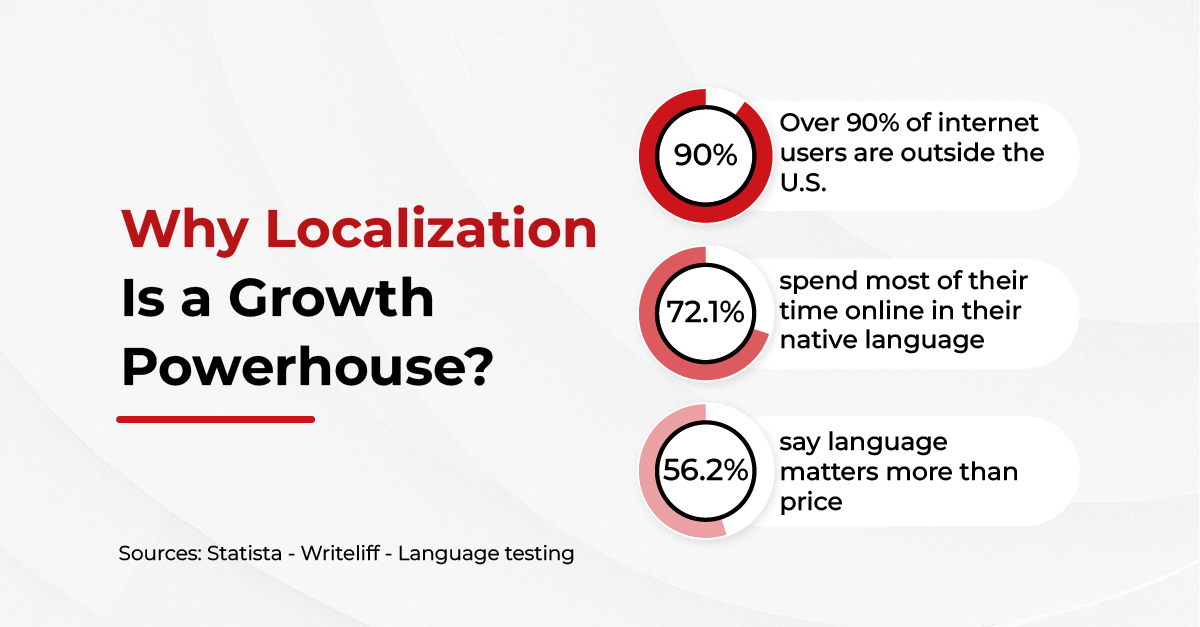
🌍 Over 90% of internet users live outside the United States, and the majority spend most of their online time in their native language. When product descriptions, checkout flows, marketing copy, or customer support read unnaturally or offensively, trust evaporates. A single mistranslation can turn a promising launch into a costly retreat.
Recent industry reports highlight how poor localization quietly erodes sales. Consumers increasingly expect native-level fluency; anything less feels careless. In high-stakes sectors like fintech, healthcare, and e-commerce, these missteps don’t just hurt feelings—they trigger compliance risks, refund spikes, and negative reviews that spread virally.
Business Localization: 5 Proven Ways to Boost Global Growth
This infographic captures why localization is a growth powerhouse: when customers see information in their own language, they stay longer, trust more, and convert better.
Real-World Examples of Poor Translation Strategies Backfiring
History is full of expensive lessons.
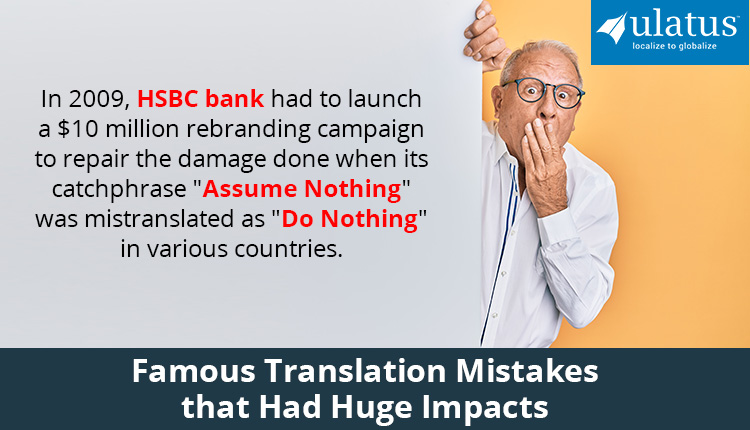
One classic case involved a major bank whose global slogan “Assume Nothing” was rendered in several markets as “Do Nothing.” The damage required a $10 million rebranding effort to repair. While that happened years ago, the pattern repeats today in subtler ways.
In fintech, overlooking local regulatory terminology or using unedited machine output has led to miscommunication of payment terms, triggering disputes and lost contracts. Marketing teams have seen campaigns flop when idioms or humor fail to cross cultures—leaving audiences confused or insulted.
Technical documentation suffers too. Poorly translated user manuals in manufacturing or software can cause misuse, safety issues, and expensive recalls. Each incident chips away at revenue and reputation.
Translation Mistakes That Caused Big Problems
Here’s a visual reminder of how one mistranslated catchphrase forced a massive rebrand.
The Real Cost: Numbers That Demand Attention
Survey data paints a stark picture:
- Roughly 40% of global consumers refuse to purchase from brands with poorly translated content.
- 75% of shoppers are more inclined to buy when product information appears in their native language.
- Mid-sized companies lose an average of $15 million annually to miscommunication, much of it tied to language gaps.
These aren’t abstract figures. They translate into abandoned carts, higher churn, and missed expansion opportunities—especially in fast-growing markets like Korea, Japan, China, Germany, Brazil, and Spain.

Translation Errors: What They Cost You and How to Avoid Them
This table breaks down common causes of translation errors and their direct business consequences—from customer confusion to lasting reputational harm.
How Professional Localization Changes the Equation
The antidote is straightforward: treat translation and localization as strategic investments, not afterthoughts.
Partnering with specialists who combine native fluency, industry knowledge, and cultural insight ensures messaging resonates authentically. For companies targeting Korea, precise Korean translation and localization are essential—covering everything from formal honorifics to region-specific expressions that build instant credibility.
When done right, localized content boosts engagement, reduces support tickets, and lifts conversion rates. It turns potential customers into loyal advocates instead of driving them to competitors who “get it right.”
For deeper insight into emerging localization trends, see Phrase’s overview of key shifts expected in 2026: https://phrase.com/blog/posts/localization-trends-2026
Moving Forward Without the Revenue Leak
The message is clear: in 2026, ignoring quality translation and localization is no longer a minor oversight—it’s a silent revenue killer. Companies that prioritize accurate, culturally sensitive language open doors to trust, loyalty, and sustainable growth across borders.
The next time you plan a market entry, ask yourself: is our message truly speaking their language? Because if it isn’t, your customers are already looking elsewhere. 🌐
(References: statistics drawn from CSA Research surveys, industry analyses on localization impact, and reports from sources including Phrase and similar localization trend publications. All links verified as active in March 2026.)