
Real world failures how mistranslation is triggering customer backlash and brand damage worldwide keep surfacing in 2026, even as brands lean harder on fast multilingual rollout tools. One mismatched phrase, inconsistent message across languages, or culturally blind wording can spark instant outrage on social platforms, trigger boycotts, and erase months of marketing investment overnight.
The speed of global digital conversations means these errors no longer stay hidden in niche markets. Customers share screenshots, influencers amplify the issue, and trust evaporates before damage-control teams can react. The financial and reputational cost often runs into millions, with recovery taking years.
Arc’teryx’s 2025 China Fireworks Controversy
Outdoor apparel brand Arc’teryx partnered on a high-profile fireworks art installation in the Himalayas. When environmental concerns erupted online, the company released separate statements in Chinese and English. The versions differed noticeably in tone, accountability language, and suggested next steps. Chinese audiences saw this as blame-shifting and insincere, while international observers questioned the brand’s unified values. Backlash spread rapidly, boycotts formed, and the incident damaged Arc’teryx’s carefully cultivated image as an environmentally conscious outdoor leader. The discrepancy in messaging across languages turned a single event into a prolonged crisis.

Arc’teryx: Outdoor brand apologises for ‘dragon’ fireworks in Himalayas
The dramatic visuals of the event fueled the initial outrage, showing how quickly a localized communication failure can escalate.
Braniff Airlines’ Leather Seats Campaign Disaster
In the late 1980s, Braniff Airlines promoted its new leather seats with the English tagline “Fly in leather.” When adapted for Spanish-speaking markets in Latin America, the phrasing came across as an invitation to “fly naked” or, in some interpretations, suggested gastrointestinal distress. Passengers found the message confusing or off-putting, leading to widespread ridicule, lost bookings, and a full campaign withdrawal. The airline learned the hard way that direct translation without cultural and idiomatic review can turn a luxury feature into a liability.
Parker Pens’ Embarrassing Mexican Launch
Parker Pens once used the slogan “It won’t leak in your pocket and embarrass you” in English markets. In Mexico, the translation replaced “embarrass” with a word meaning “impregnate.” The resulting tagline implied the pen would not leak and cause pregnancy — a wildly inappropriate and humorous misfire. Sales stalled, the campaign was pulled, and the brand faced months of jokes that overshadowed its product quality message.
Electrolux Vacuum Slogan Backfire in the United States
Swedish appliance maker Electrolux brought its vacuum cleaner campaign to the U.S. with the tagline “Nothing sucks like an Electrolux.” In Swedish context, “sucks” simply meant suction power. In American English, the slang meaning turned the entire message into a self-deprecating insult. Consumers laughed at the brand rather than buying the product, forcing an immediate rewording and highlighting how regional slang can destroy even the best technical claims.
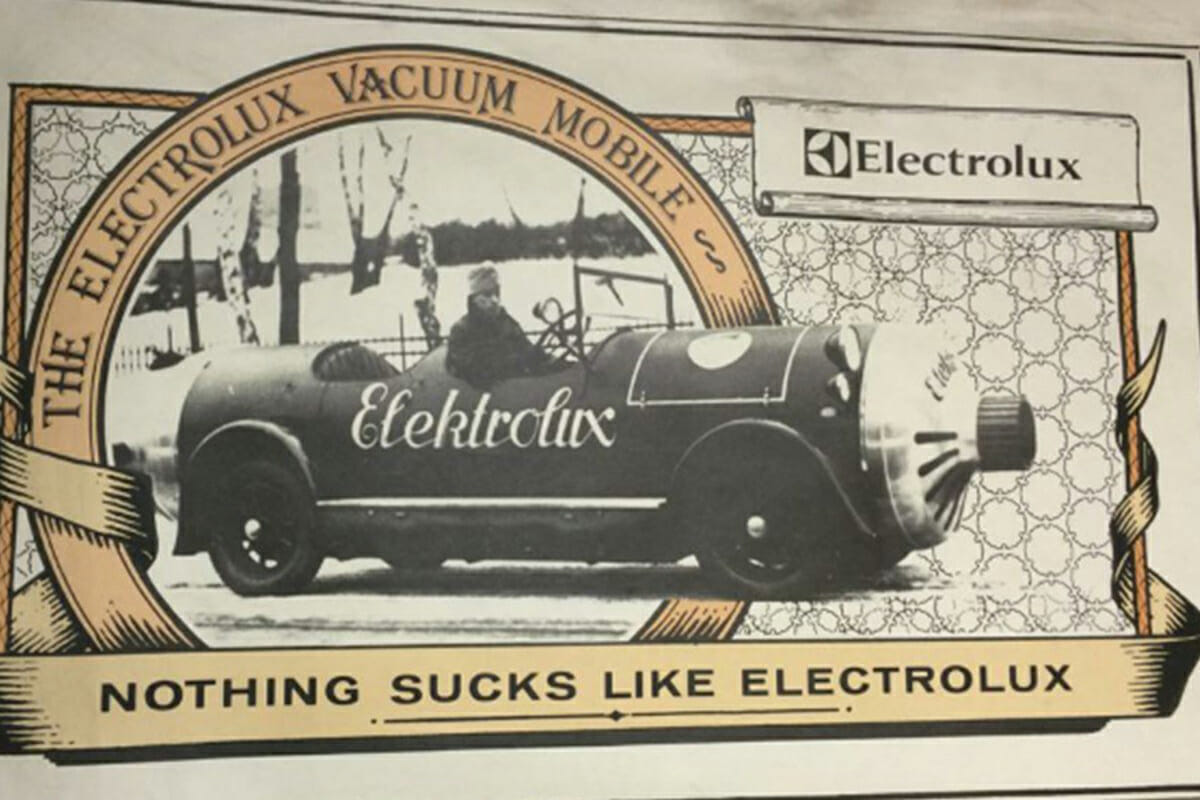
Big Brands’ International Marketing and Localization Mistakes – CCC International
Vintage campaign visuals like this one illustrate how a single word choice can derail an entire international push.
Common Patterns That Amplify the Damage
| Incident Type | Root Mistranslation Issue | Immediate Backlash Trigger | Long-Term Brand Impact |
|---|---|---|---|
| Apology Inconsistency | Differing tone and blame across languages | Accusations of insincerity | Eroded global trust and boycotts |
| Slogan Literalism | Ignoring local slang or double meanings | Viral ridicule and memes | Campaign withdrawal and sales drop |
| Product Feature Phrasing | Wrong word substitution in key claims | Customer confusion or offense | Delayed launches and reputational hit |
These patterns show that mistranslation rarely stays isolated — it spreads, amplifies, and lingers.
Why the Risk Keeps Growing in 2026
Social media now rewards outrage with algorithmic visibility. A single mistranslated post or inconsistent statement can reach millions within hours. At the same time, consumers in every market expect brands to communicate as if they truly belong there. When that expectation is broken, backlash moves from annoyance to active avoidance or organized protest.
Steps Brands Are Taking to Prevent Repeat Failures
Forward-looking teams now build multi-stage review processes that include native speakers, cultural consultants, and real-user testing before any content goes live. They also monitor sentiment across languages in real time and prepare unified response frameworks that maintain consistency regardless of market.
A detailed overview of similar historical and ongoing challenges appears here: https://activeloc.com/blog/bad-translations-real-world-examples
Real world failures how mistranslation is triggering customer backlash and brand damage worldwide serve as powerful reminders that speed without safeguards carries a steep price. Brands that treat every language version as a fresh opportunity to build authentic connections are the ones avoiding these costly lessons while strengthening loyalty across borders.