
Why Multilingual Hreflang Mistakes Destroy Rankings: The Hidden SEO Crisis | Hashmeta
Many global brands quietly watch their hard-earned organic traffic vanish in 2026, unaware that a hidden SEO crisis rooted in poor localization strategy is the silent culprit. Multilingual websites, once seen as growth engines, now face steep ranking declines when content adaptation falls short of what Google demands for relevance, user experience, and technical precision. With AI-mediated search rewarding culturally attuned material and penalizing superficial efforts, even well-funded sites can lose 30 to 64 percent of international visibility within months if localization remains an afterthought.
Consider a mid-sized e-commerce retailer expanding into Germany and Japan early this year. Their English site performed strongly, yet the newly launched German and Japanese versions—created through quick machine translation and minimal adjustments—saw organic traffic plummet by 64 percent over three months. Broken hreflang implementation meant Google served mismatched language pages, while literal keyword translations ignored local search habits, such as Germans preferring formal phrasing around product specifications or Japanese users seeking detailed cultural context in descriptions. High bounce rates followed, signaling poor relevance to the algorithm, and rankings dropped across key terms despite solid backlinks.
How Fortune 500 Companies Handle Multilingual SEO At Scale
This scenario repeats across industries because poor localization strategy creates cascading technical and content failures that Google’s 2026 systems detect with increasing accuracy. Hreflang tags, intended to guide the right version to the right audience, often break due to incomplete clusters or missing self-references, causing duplicate content flags or wrong-language indexing. Metadata and title tags translated word-for-word miss local intent, reducing click-through rates. Meanwhile, unnatural phrasing from ungoverned machine output leads to dwell-time drops that further erode authority signals.
The data from early 2026 paints a sobering picture of this hidden SEO crisis. Studies show that sites relying solely on direct translations achieve only marginal visibility gains, while those investing in full localization—including market-specific keyword research and transcreation—enjoy up to 327 percent more presence in AI Overviews and traditional SERPs. Yet 31 percent of multilingual sites still suffer hreflang errors, and over half exhibit content that feels “off” to native users, triggering algorithmic demotion. In one documented case from Q1 2026, an international SaaS provider lost nearly half its European traffic after Google began auto-translating their subpar localized pages, effectively bypassing the brand’s own versions and directing clicks elsewhere.
To make the risks clearer, here is an overview of the most common pitfalls driving ranking losses for multilingual websites in 2026:
| Pitfall in Localization Strategy | Direct SEO Impact | Real-World Consequence in 2026 |
|---|---|---|
| Incomplete or broken hreflang tags | Duplicate content penalties, wrong version served | 40-75% traffic misallocation across regions |
| Literal keyword translation only | Poor alignment with local search intent | Low click-through and high bounce rates |
| No human review of machine-translated text | Unnatural language, reduced E-E-A-T signals | Algorithmic demotion in AI-mediated results |
| Missing localized metadata and schema | Reduced rich snippet opportunities | Lower visibility in featured snippets |
| Uniform content across markets | Failure to satisfy regional user expectations | Competitive sites overtake in local SERPs |
These issues compound because Google no longer rewards volume alone; it prioritizes helpful, experience-backed content that demonstrates genuine understanding of each market.
I must admit that following these developments leaves me with a mix of concern and quiet determination. It feels almost unfair how invisible the hidden SEO crisis can remain—traffic graphs dip gradually, support tickets trickle in, and only deep analytics reveal the localization gaps. Yet this also highlights the tremendous opportunity for teams willing to treat multilingual optimization as a strategic discipline rather than a checkbox. I have watched smaller brands pull ahead simply by investing in native-led reviews and regional keyword mapping, turning potential losses into sustained growth that feels deeply rewarding.
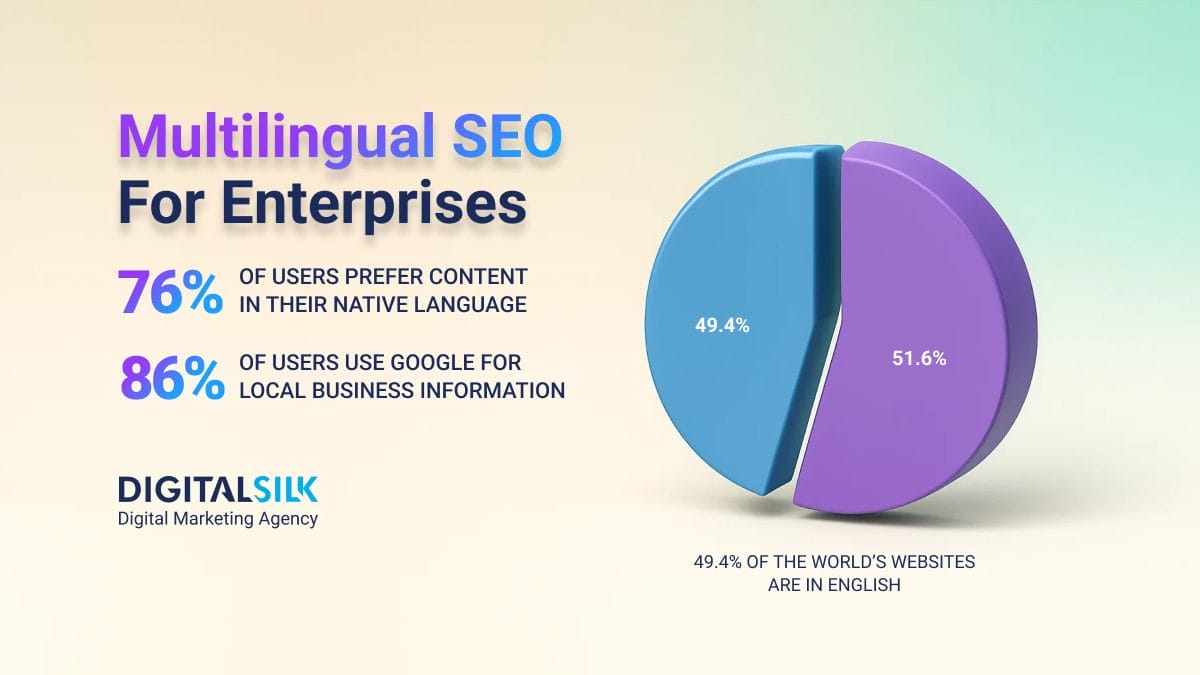
Beyond individual stories, broader patterns confirm the urgency. User preference data indicates 76 percent of global consumers favor content in their native language, and properly localized experiences can lift conversion rates significantly while safeguarding rankings. In contrast, sites with poor localization strategy often see organic sessions from non-English markets drop below 20 percent of potential, as Google favors competitors who deliver culturally resonant material. Technical audits from the first quarter of 2026 further reveal that 51 percent of enterprise multilingual sites still rely on outdated directory structures without proper bidirectional hreflang, exposing them to ongoing volatility.

Addressing the hidden SEO crisis requires a layered approach that integrates technical accuracy with cultural depth. Begin with comprehensive international keyword research conducted in each target market rather than simple translation of English terms. Implement clean URL structures—whether subdirectories or ccTLDs—paired with fully validated hreflang clusters that include every variant and a clear x-default fallback. Employ machine translation only as a starting point, always followed by native-speaker transcreation and subject-matter validation to preserve brand voice and intent. Monitor performance through segmented analytics that track bounce rates, session duration, and regional conversions separately, allowing rapid iteration before ranking damage becomes permanent.
Forward-looking organizations also embed localization early in the content creation workflow, using centralized terminology databases to maintain consistency while adapting imagery, pricing formats, and calls-to-action to local norms. Regular technical audits with specialized tools help catch hreflang drift or indexing issues before they impact visibility. When executed thoughtfully, these steps not only halt ranking losses but actively strengthen authority across borders, ensuring multilingual websites become true assets rather than liabilities.
References:
- Hashmeta (February 2026). Why Multilingual Hreflang Mistakes Destroy Rankings: The Hidden SEO Crisis
- Seatongue (January 2026). The Definitive 2026 Multilingual SEO Playbook
- eTranslation Services (February 2026). Multilingual SEO for Localized Websites That Still Rank Well in 2026
- Optimational (January 2026). Multilingual SEO Localisation 2026: Complete Guide
- Search Engine Land (January 2026). International SEO in 2026: What still works, what no longer does, and why